7 Mistakes That Wreck a Swimsuit Faster Than Chlorine Ever Could
Quick Answer: Chlorine gets blamed for most swimsuit damage, but several common post-swim habits — not rinsing immediately, wringing out fabric, letting suits sit wet in a bag — accelerate elastic and fiber breakdown far more than chlorine exposure alone, and each one has a simple, nearly effort-free fix.
Chlorine takes the blame every time a favorite suit loses its shape early — but chlorine usually isn’t working alone.

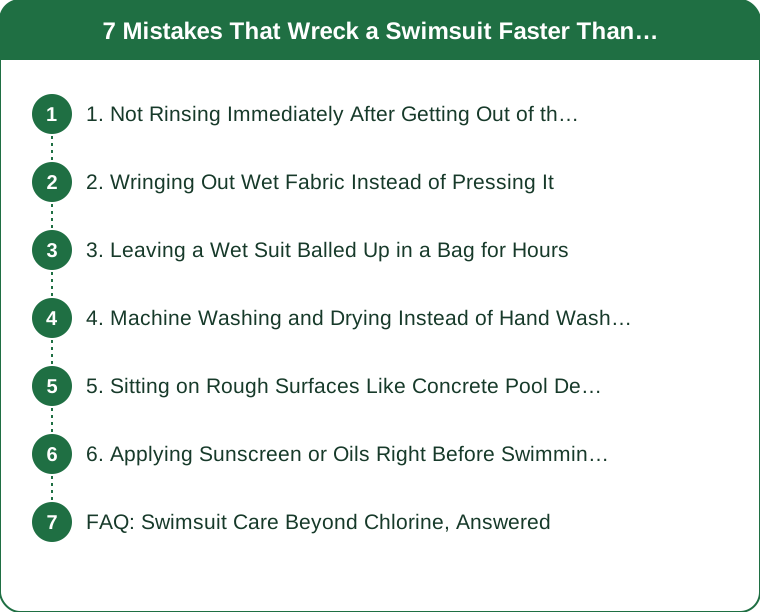
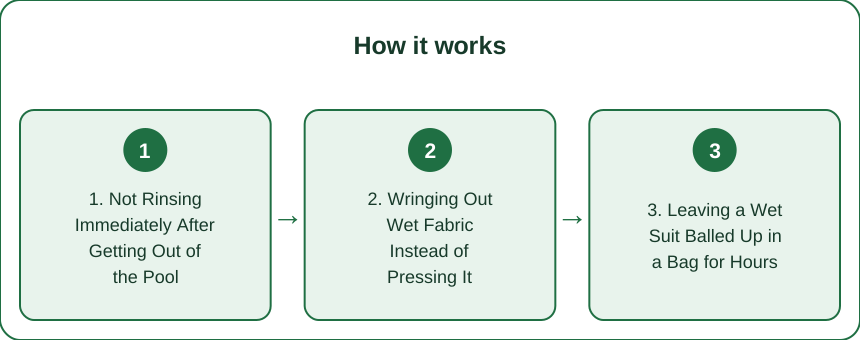
1. Not Rinsing Immediately After Getting Out of the Pool
Chlorine left sitting in wet fabric continues breaking down elastic fibers for as long as it stays in contact with them, so the longer a suit sits unrinsed — through a car ride home, an errand, a nap on a towel — the more cumulative damage occurs. A fast rinse in cool fresh water within minutes of leaving the pool meaningfully limits this ongoing exposure.
2. Wringing Out Wet Fabric Instead of Pressing It
Twisting and wringing a wet swimsuit stretches and stresses elastic fibers directly, causing mechanical damage independent of any chemical exposure at all. Pressing water out gently between a towel, rather than twisting, avoids this entirely separate source of fiber breakdown.
3. Leaving a Wet Suit Balled Up in a Bag for Hours
A damp, balled-up suit trapped in a bag creates a warm, chemically concentrated environment where chlorine and other pool chemicals continue acting on the fabric far longer and more intensely than if the suit were laid flat and allowed to air out and dry.

4. Machine Washing and Drying Instead of Hand Washing
Washing machine agitation and dryer heat are both significantly harsher on elastic swimsuit fibers than gentle hand washing in cool water followed by air drying, and this mechanical and heat stress compounds with chlorine exposure rather than replacing it as the dominant damage source.
5. Sitting on Rough Surfaces Like Concrete Pool Decks
Direct abrasion from sitting or lying on rough concrete or stone surfaces physically wears down fabric and can snag fibers in a way that has nothing to do with pool chemistry at all, yet contributes meaningfully to a suit’s overall lifespan and appearance.
6. Applying Sunscreen or Oils Right Before Swimming, and Storing a Suit Still Damp
Sunscreen and body oils that haven’t fully absorbed before entering the water can transfer onto and interact with swimsuit fabric, sometimes contributing to fabric discoloration and breakdown over repeated exposure, compounding whatever chlorine is doing on its own. And a separate but related mistake: storing swimwear before it’s fully dry creates a mildew and continued-chemical-exposure risk that accelerates degradation between wears, even when the suit isn’t actively being used, extending fabric damage into time periods most people assume are damage-free.
FAQ: Swimsuit Care Beyond Chlorine, Answered
How soon after swimming does rinsing actually need to happen to matter?
Within roughly 15-30 minutes ideally; the sooner chlorine and chemical residue is rinsed away, the less cumulative fiber damage occurs.
Is a specific swimwear-safe detergent worth using over just water rinsing?
Yes, periodically — an occasional gentle wash with a swimwear-specific or mild detergent removes residue and oils a plain water rinse alone can miss, extending elastic life further.
Does rotating between two suits actually help fabric last longer?
Yes — giving elastic fibers time to fully rest and recover between wears reduces cumulative mechanical stress compared to repeatedly wearing and stretching the same suit every session.
TL;DR:
- Delayed rinsing lets chlorine keep breaking down elastic fibers long after leaving the pool
- Wringing, machine washing, and rough surfaces cause mechanical damage separate from chemicals
- A wet suit left balled up concentrates chemical exposure rather than letting it dissipate
- Unabsorbed sunscreen and storing suits while still damp both add further fabric degradation
- Most of these fixes take under a minute and meaningfully extend a suit’s real lifespan
Chlorine plays a role, but these seven habits usually do more of the actual damage.
Keep Reading
This article is for general informational purposes only and is not medical advice. It is not a substitute for professional diagnosis or treatment. Always consult a qualified healthcare provider about your individual situation, especially before making significant changes to your diet or exercise routine.