7 Things That Change About Pool Swimming Once the School Term Starts
Quick Answer: Once term restarts, pools shift from holiday timetables to term timetables — lane swimming windows shrink, club and lesson bookings return, and adult lane traffic concentrates into a few peak hours. The water itself often changes too, as outdoor pools close and indoor pools handle more bodies. Adjusting your session time by an hour usually solves more than changing your training does.
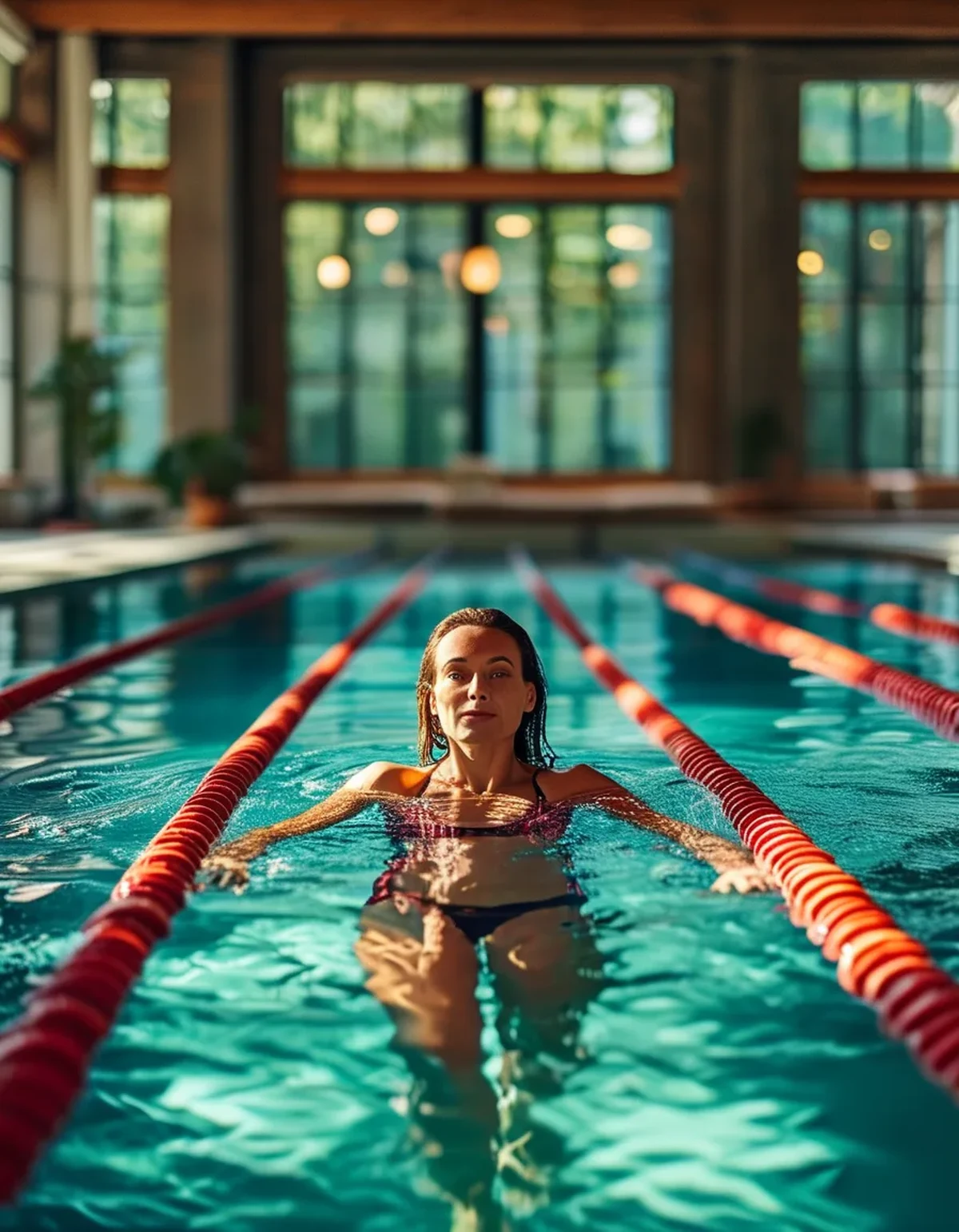
Your Tuesday session has been the same all summer. Quiet pool, one person per lane, easy 45 minutes.
You turn up in the first week of September and there are five people in your lane, the fast lane has vanished, and you finish having done half the distance.
Nothing about your swimming changed. Seven things about the pool did.
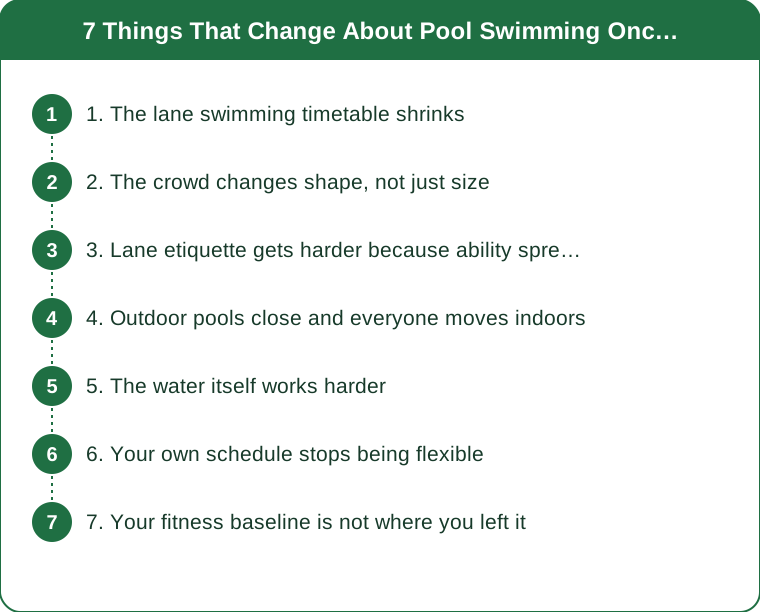
1. The lane swimming timetable shrinks
This is the biggest single change and the one most swimmers discover by turning up.
Over the summer, pools run holiday timetables — more open lane swimming, fewer scheduled bookings, longer public sessions. From the first week of term, school bookings, swimming lessons and club training return and they take priority because they are contracted.
The practical result is that lane swimming windows contract, often significantly, and frequently move.
What to do: check the term-time timetable rather than assuming, and check it in the first week rather than the third. Most pools publish it in advance. The session you have used all summer may simply no longer exist, and finding a new regular slot early beats discovering it gradually over a month of wasted trips.
2. The crowd changes shape, not just size
A busier pool is manageable. A pool with a different mix of swimmers is harder.
Summer lane swimming skews toward people with flexible schedules, swimming at a wide range of times. Term-time lane swimming compresses into early mornings, lunchtimes and evenings — and each of those attracts a different type of swimmer.
- Early morning (6-8am): the most consistent, fastest, most etiquette-aware crowd. Busy but efficient.
- Mid-morning: quietest lane swimming of the day once term starts, and the single most underrated slot.
- Lunchtime: short, intense sessions, high turnover, people in a hurry.
- After work (5-7pm): busiest and most mixed in ability — the hardest for consistent sets.
If your summer slot was mid-afternoon, that is often the slot most affected by lessons returning. Mid-morning is usually the closest equivalent in feel.
3. Lane etiquette gets harder because ability spreads
In a quiet pool, mismatched speeds do not matter. In a busy one they determine your entire session.
Term-time lanes are typically labelled slow, medium and fast, but the labels compress as the pool gets busier — three lanes of swimming become two, and suddenly medium contains a very wide range.
Practical adjustments that work:
- Pick the lane by the pace of the people already in it, not by the sign. The sign is aspirational; the swimmers are real.
- Set off in a gap of at least five seconds, not immediately behind someone.
- Stop at the corner of the wall, not in the middle, so people can turn.
- If you are being caught repeatedly, let them past at the wall rather than mid-length.
One thing that helps enormously and almost nobody does: say what you are doing before you start. I am doing 100s with 20 seconds rest takes three seconds and prevents most lane conflicts.
4. Outdoor pools close and everyone moves indoors
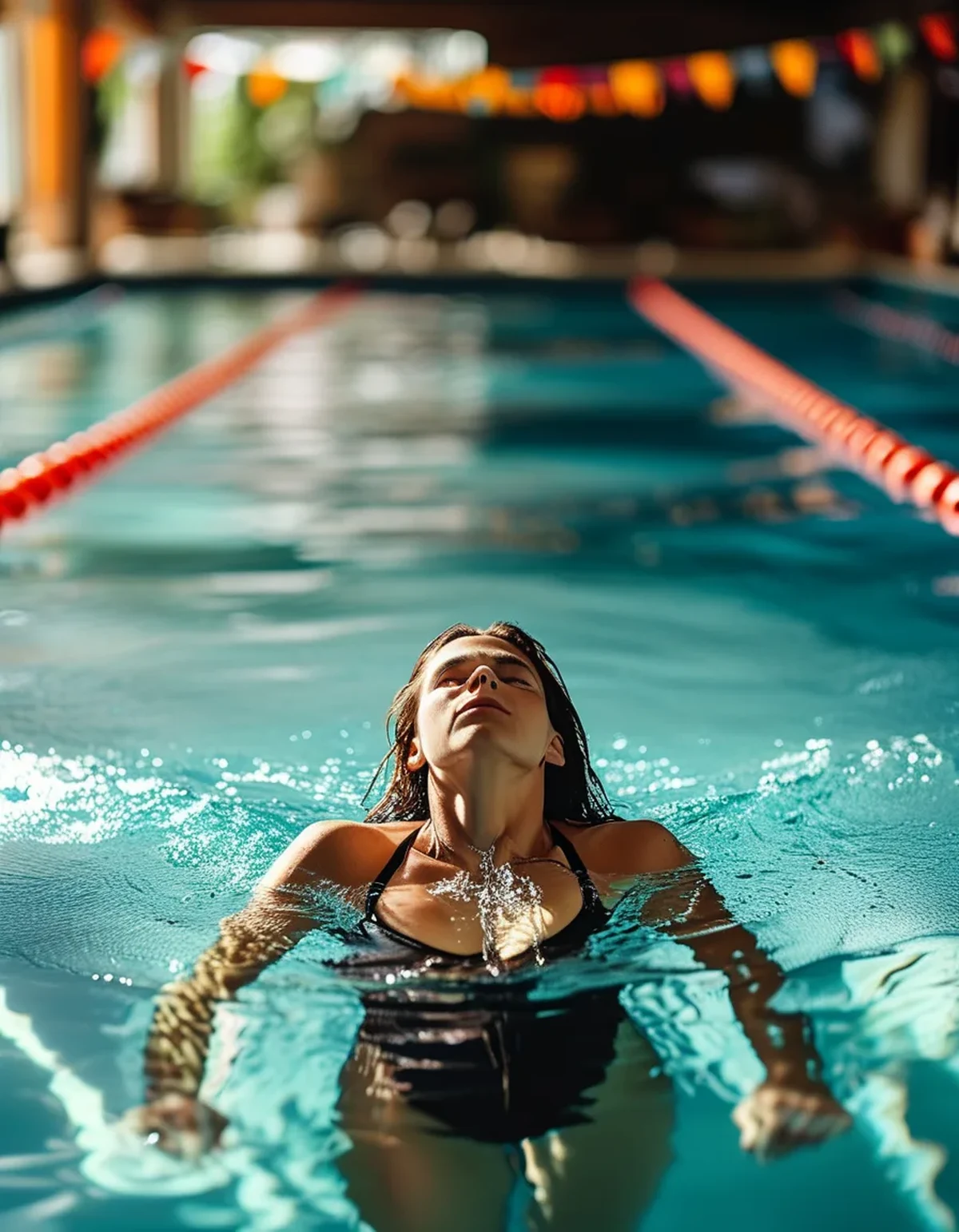
Where outdoor or lido swimming has been an option, its closure — or the drop in water temperature that makes it a different activity — pushes those swimmers indoors.
The effect on indoor pools is immediate and underestimated. A group of outdoor swimmers is usually a committed, high-volume group, and they arrive at the same time each morning.
There is also an adjustment for you if you have been swimming outdoors:
- Indoor water is warmer, often noticeably. You will feel it as increased perceived effort at the same pace and you will need more fluid than outdoor swimming demanded.
- Chlorine exposure is higher indoors — enclosed air, less dilution. Goggles fog more, skin and hair take more, and eyes are more sensitive.
- The lack of natural variation — no chop, no wind, no temperature gradient — makes indoor sessions feel monotonous after a summer outdoors. Structured sets help more than distance does.
5. The water itself works harder
More swimmers means more load on filtration and chemistry.
Term-time brings school lessons and clubs, which means far more bodies through the water each day than a quiet summer weekday. Pool chemistry is managed accordingly, and swimmers usually notice it as:
- A stronger chlorine smell. Counter-intuitively, that smell is largely chloramines — the compounds formed when chlorine reacts with what swimmers bring in — rather than chlorine itself.
- More eye irritation, particularly in the busiest weeks.
- Faster gear degradation. Swimsuits, caps and goggle seals all age quicker in heavily used water.
What actually helps:
- Shower properly before swimming. It reduces what you contribute to chloramine formation, and if enough people do it the whole pool benefits.
- Rinse gear in cold fresh water immediately after, every session. Not at the end of the week.
- Rotate two swimsuits rather than wearing one every session. Elastane recovers with rest and lasts substantially longer.
6. Your own schedule stops being flexible
The variable people forget is themselves.
If you have children, term time removes exactly the flexibility that made your summer swim schedule work. If you do not, your workplace probably got busier in September too.
The result is that the session has to become fixed rather than opportunistic. Summer swimming often works on a when I can basis. That model fails in term time, and people conclude they have lost motivation when they have actually lost flexibility.
The fix is to pick one or two fixed slots and defend them rather than aiming for a number of sessions per week. A fixed Tuesday 7am beats an intention to swim three times, every time, for the entire autumn.
And build in the changeover cost. Term-time pools are busier at reception and in the changing rooms, so the door-to-door time for the same swim is 15-20 minutes longer than it was in August.
7. Your fitness baseline is not where you left it
If your summer involved open water, outdoor pools or a break, the first term-time session will not go the way you expect.
Three specific things:
- Warmer indoor water raises perceived effort. The same pace feels harder, and people interpret that as lost fitness rather than a different environment.
- Pool swimming after open water exposes turn fitness. Turns are a skill and a conditioning demand that open water does not train at all.
- Continuous swimming after a summer of intervals — or the reverse — takes two or three sessions to re-adapt.
Give it three sessions before drawing any conclusions, and make the first one shorter than you plan. Most people who feel they have gone backwards in September have simply changed environment.
Should I change my training when the pool gets busy?
Yes — shorter reps with more turns work far better in a crowded lane than long continuous swims, because you spend less time overtaking and being overtaken.
Is early morning really worth it?
For lane availability, yes, decisively. It is the least disrupted slot in the term-time timetable and the most consistent crowd.
Why do my goggles fog more now?
Warmer indoor water, cooler air above it, and higher chloramine levels all contribute. Rinse in cool water before you get in, and stop wiping the inside of the lens with your fingers.
TL;DR:
- The timetable shrinks first — check the term-time schedule in week one, not week three.
- The crowd concentrates into peaks; mid-morning is the most underrated quiet slot.
- Pick the lane by the swimmers in it, not the sign, and announce your set before you start.
- Outdoor swimmers move indoors, and warmer water plus more chloramine changes how the session feels.
- Make the session fixed rather than opportunistic, and give yourself three swims before judging your fitness.
Almost everything on this list is solved by moving your session rather than changing your training. Spend one week trying a different slot before you conclude the pool has become unusable — most people find one time of day where term-time swimming is barely different from August.
Keep Reading
This article is for general informational purposes only and is not medical advice. It is not a substitute for professional diagnosis or treatment. Always consult a qualified healthcare provider about your individual situation, especially before making significant changes to your diet or exercise routine.