7 Things That Change About Open Water Swimming in Late August
Quick Answer: Water is at its warmest of the year in late August, which makes it the best swimming of the season - but the air is cooling faster than the water, daylight is shrinking at its fastest rate, lifeguard and supervised session cover starts thinning, and post-swim cooling becomes the main risk rather than the swim itself. Adjust by swimming earlier in the day, planning the exit and rewarming before you get in, and reducing swim duration as air temperature falls even while water stays warm.
The water has never felt better than it does this week.
Which is exactly why late August is when people swim longer than they planned and get properly cold standing on the bank afterwards.

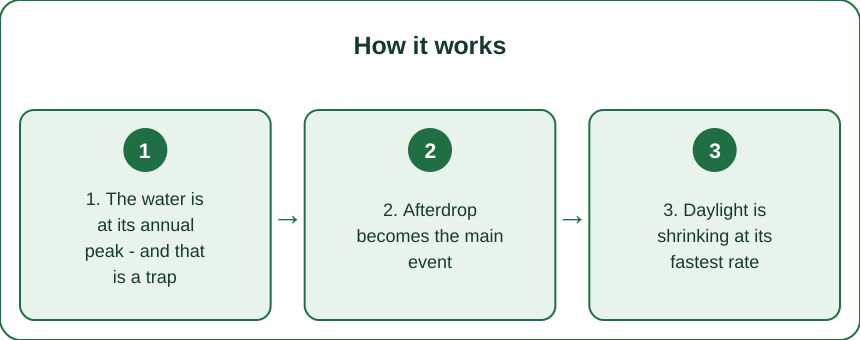
1. The water is at its annual peak - and that is a trap
Water temperature lags air temperature by several weeks, which is why late August and early September are the warmest open water of the year.
This makes swimming genuinely more comfortable and makes long swims feel easy in a way they did not in June.
The trap is that the air is no longer matching it. A warm swim followed by a cool breeze on the bank is a much bigger cooling problem than a cool swim in July heat.
People extend swims because the water feels good, which increases total heat loss even at a comfortable water temperature.
And the mismatch grows week by week through September, so a plan that worked one weekend is out of date the next.
Practical adjustment: plan the swim by air temperature and the exit conditions, not by how the water feels in the first two minutes.
2. Afterdrop becomes the main event
Afterdrop is the continued fall in core temperature after leaving the water, as cooler blood from the limbs returns to the core.
It means you often feel coldest ten to twenty minutes after getting out, not while swimming, which is why the bank is where problems appear.
Cool air and wind on wet skin accelerate it substantially, and late August afternoons frequently have both.
The response is to plan rewarming before you get in: dry layers laid out, a hat, a warm drink, and somewhere out of the wind.
Get dressed immediately rather than standing about talking, which is the single most common mistake in a social swim group.
And do not warm up with a hot shower straight away, which is commonly advised against; gradual rewarming with layers and warm drinks is the usual guidance. This is general information, not medical advice.
3. Daylight is shrinking at its fastest rate
Around the equinox, day length changes fastest, losing several minutes a day, which catches out anyone who plans by habit.
An evening swim that finished in comfortable light two weeks ago now finishes in dusk, which affects visibility for boats, other swimmers and safety cover.
Getting changed in the dark on a cold bank is unpleasant and rushed, which is how kit gets left behind and rewarming gets skipped.
Water looks calmer than it is in low light, and reading surface conditions becomes harder.
Move swims earlier in the day rather than shortening them at the end, which preserves both the swim and the margin.
And carry a light if any part of the session will be in low light, including the walk back.

4. Supervised sessions and lifeguard cover thin out
Many venues reduce or end supervised open water sessions after the summer holidays, often abruptly and often before the water gets cold.
Beach lifeguard cover frequently ends in early September at a point when the sea is at its most inviting, which is a genuine mismatch.
Check the venue schedule rather than assuming, since the end date is usually calendar-based rather than condition-based.
Swim with someone, always, once cover reduces, which is standard advice and becomes more important as conditions get more variable.
Tell someone your plan and expected return time if you are swimming somewhere quiet.
And consider a tow float, which improves visibility to boats and other water users and gives you something to hold. This is general information, not medical advice.
5 and 6. Water quality and water movement both change after late summer rain
Water quality after heavy rain
Heavy rain after a dry spell can affect water quality in rivers, lakes and at some coastal sites, and late August storms are a common trigger.
Check local water quality information where it is published, which many countries and regions now provide for designated bathing sites.
Bathing water monitoring seasons often end in September, so information becomes less current exactly when people continue swimming.
Avoid swimming after heavy rainfall at sites known to be affected, and allow time for conditions to settle.
Cover cuts and grazes, avoid swallowing water, and wash after swimming, which are standard sensible precautions.
And be aware of algal blooms, which can persist into late summer in warm still freshwater and should be avoided entirely.
Currents, tides and river flow
Late summer rain changes river flow quickly, and a river swum comfortably in a dry August can be considerably faster days later.
Coastal conditions become more variable as autumn weather systems arrive, with more wind and more swell than the settled midsummer pattern.
Onshore wind against tide produces choppier water, which is harder to swim in and harder to be seen in.
Check conditions on the day rather than relying on how the site behaved in July, which is the single most useful habit for late-season swimming.
Entry and exit points matter more as conditions get variable - know where you are getting out before you get in.
And be conservative about distance from shore, since a wind that gets up during a swim changes the return leg substantially. This is general information, not medical advice.
7. Your kit list changes before the water does
The swim kit stays the same and the after-swim kit doubles. A changing robe, a warm hat, dry layers, gloves and a flask become the useful part of the bag.
A hat matters disproportionately, since a large amount of heat is lost from the head and it is the easiest thing to add.
Two towels rather than one, because a wet towel does very little on a cool bank.
Warm drinks genuinely help rewarming and are worth the flask.
Neoprene socks and gloves extend the season more than a thicker wetsuit does for most people, since extremities are the limiting factor.
And keep the car keys and phone somewhere you can reach them with cold hands, which sounds trivial until you try it. This is general information, not medical advice.
FAQ: Late Summer Open Water Questions, Answered
When is open water at its warmest?
Typically late August into early September in the northern hemisphere, because water temperature lags air temperature by several weeks.
Why do I feel colder after the swim than during it?
Afterdrop - cooler blood returning from the limbs continues lowering core temperature after you exit. It is normal and it is why rewarming should be planned before you get in.
Should I take a hot shower after a cold swim?
Gradual rewarming with dry layers and warm drinks is commonly advised instead of immediate hot water. If you are unsure or feel unwell, seek advice from a qualified professional. This is general information, not medical advice.
How long can I swim in late summer water?
It depends on water temperature, air temperature, wind and your own experience. The important shift is that air conditions and exit plans, rather than water temperature, become the limiting factor.
Do I need a wetsuit in late August?
Many people swim without one at peak water temperature. As air temperature drops, the argument for one strengthens - not for the swim, but for how you feel afterwards.
Is it safe to swim after heavy rain?
Water quality can be affected at some sites after heavy rainfall, and river flow can increase quickly. Check local information and give conditions time to settle.
What is the most important safety change for the late season?
Swimming with someone and planning the exit and rewarming in advance. Cover thins out while conditions get more variable, and the bank is where the risk moves to. This is general information, not medical advice.
TL;DR:
- Water peaks in late August while air cools - the mismatch, not the water, is the risk.
- Afterdrop makes the ten to twenty minutes after exiting the coldest part; plan rewarming before you get in.
- Daylight shrinks fastest around the equinox, so move swims earlier rather than trimming the end.
- Supervised sessions and lifeguard cover often end while the water is still at its best.
- Check water quality and river flow after heavy rain, and check conditions on the day.
- The after-swim kit doubles: robe, hat, two towels, dry layers, warm drink.
The best swimming of the year needs the most planning. This is general information, not medical advice.
Keep Reading
This article is for general informational purposes only and is not medical advice. It is not a substitute for professional diagnosis or treatment. Always consult a qualified healthcare provider about your individual situation, especially before making significant changes to your diet or exercise routine.