7 Things Chlorine Actually Does to Your Swimsuit Fabric Over Time
Quick Answer: Chlorine doesn’t just fade swimsuit color — it chemically breaks down the elastic fibers (spandex/elastane) at a molecular level, causing gradual loss of stretch recovery, thinning, and eventual fabric failure, well before color fading becomes visually obvious. Rinsing immediately after swimming and avoiding the washing machine significantly slows this.
You noticed the color fading first and assumed that was the main damage happening. Underneath that visible fading, chlorine has been doing several other, more structurally important things to the suit the whole time.

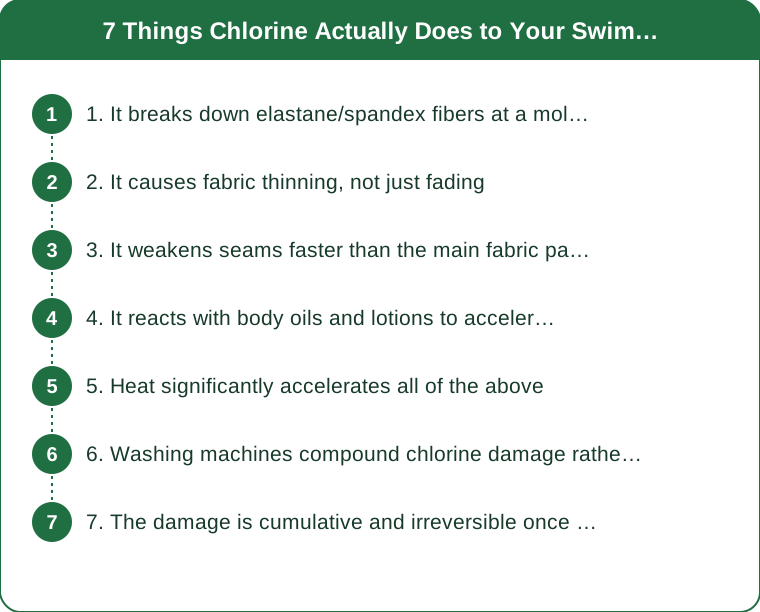
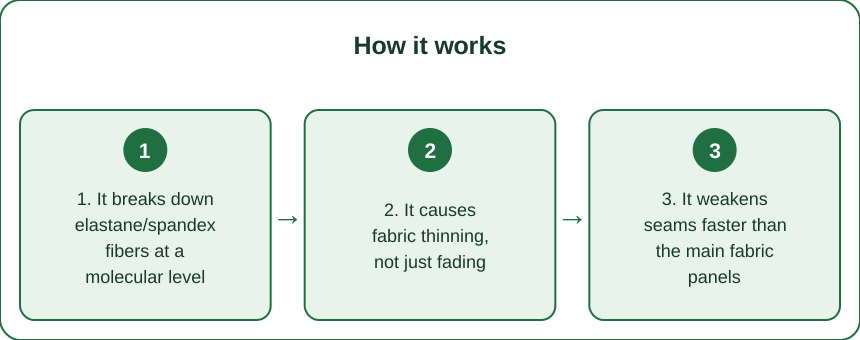
1. It breaks down elastane/spandex fibers at a molecular level
Chlorine is an oxidizing agent that chemically attacks the polymer chains in spandex and elastane fibers specifically, breaking bonds that give the fabric its stretch-and-recover property. This happens gradually with every exposure, well before it’s visible, which is why a suit can look fine but have noticeably less snap-back stretch than when it was new.
2. It causes fabric thinning, not just fading
Alongside color loss, chlorine exposure physically thins the fabric weave over repeated exposure, which is part of why heavily chlorine-exposed swimsuits eventually become slightly see-through even in areas that never visibly faded in color — the thinning and the fading are related but separate effects of the same chemical process.
3. It weakens seams faster than the main fabric panels
Seam threads, especially if a different material than the main fabric, often degrade faster under chlorine exposure than the surrounding fabric panels, which is why seam failure (popped stitching) is frequently the first structural sign of chlorine damage, appearing before the main fabric shows obvious wear.

4. It reacts with body oils and lotions to accelerate damage
Residual sunscreen, body oil, and lotion left on skin when entering chlorinated water can react with chlorine in ways that accelerate fabric breakdown in the areas of highest skin contact, which is part of why rinsing off before swimming (a common pool rule) also indirectly protects your suit, not just pool water quality.
5. Heat significantly accelerates all of the above
Warm or hot pool water and hot tubs accelerate the chemical reaction rate between chlorine and elastane fibers substantially compared to cooler water, which is why swimsuits worn regularly in heated pools or hot tubs tend to degrade noticeably faster than the same suit used only in cooler outdoor pools.
6. Washing machines compound chlorine damage rather than fixing it
Machine washing (especially with hot water or on a delicate cycle that still involves significant agitation) adds mechanical stress on top of chlorine’s chemical damage, compounding fiber breakdown rather than simply cleaning the suit — hand-washing in cool water is significantly gentler on already chlorine-stressed fibers.
7. The damage is cumulative and irreversible once it happens
Unlike some fabric wear that can be partially reversed with proper care, chlorine’s chemical breakdown of elastane fibers is permanent — no amount of careful washing after the fact restores lost stretch or thinned fabric. Prevention (rinsing immediately, avoiding hot chlorinated water when possible, hand-washing) is the only real lever, since there’s no repair once the fiber-level damage has occurred.
How soon after swimming should I rinse my suit?
As soon as reasonably possible — within an hour or two significantly reduces how long chlorine has to react with the fabric compared to leaving a wet suit sitting for a full day.
Does a ‘chlorine-resistant’ suit actually resist this damage?
Significantly better than standard suits — these use different fiber blends (often polyester-based rather than pure spandex) specifically engineered to resist chlorine’s chemical breakdown, making them worth the investment for frequent pool swimmers.
How can I tell if my suit already has meaningful chlorine damage?
Check stretch recovery by gently pulling a section of fabric — if it doesn’t snap back to its original shape promptly, or if any area feels noticeably thinner than others, that’s a sign of accumulated chlorine damage regardless of visible color fading.
TL;DR:
- Chlorine chemically breaks down elastane fibers at a molecular level, not just fading color
- Fabric thinning, seam weakening, and lost stretch recovery all happen before fading becomes obvious
- Heat, body oils, and washing machine agitation all accelerate the damage significantly
- Damage is cumulative and irreversible — prevention (rinsing, hand-washing, chlorine-resistant fabric) is the only real defense
Rinse your suit within an hour of swimming from now on, and consider a chlorine-resistant polyester-blend suit if you swim in heated or frequently chlorinated pools regularly.
Keep Reading
This article is for general informational purposes only and is not medical advice. It is not a substitute for professional diagnosis or treatment. Always consult a qualified healthcare provider about your individual situation, especially before making significant changes to your diet or exercise routine.