Why Chlorine Wears Out a Swimsuit Faster Than the Sun Does
A swimsuit that goes saggy and faded after a summer of pool laps usually gets blamed on the sun, since that is the more visible culprit. But chlorine breaks down the elastic fibers in swimwear at a chemical level with every exposure, and for anyone swimming laps regularly, the pool itself is doing far more damage than the sun ever will.

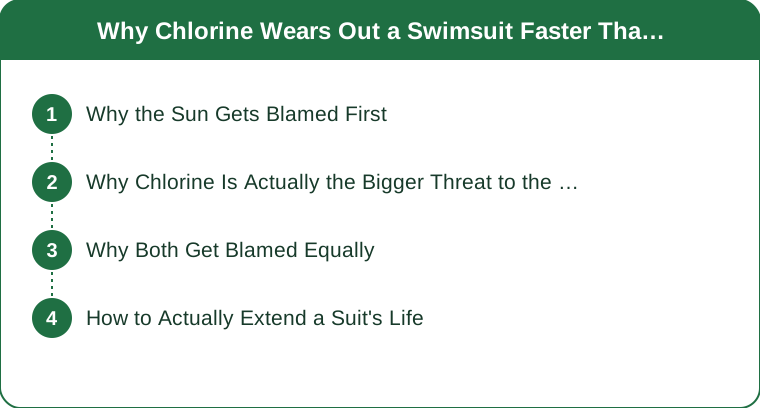
Why the Sun Gets Blamed First
The visible evidence: fading color and thinning fabric showing up after outdoor pool sessions, which points attention toward UV exposure as the obvious cause since that’s the variable people can feel on their skin.
Why Chlorine Is Actually the Bigger Threat to the Fibers
The chemistry: chlorine attacking the elastane fibers that give swimwear its stretch and recovery, breaking down the molecular bonds with repeated exposure, which is why a suit worn only for indoor lap swimming under chlorine still degrades on a predictable timeline.

Why Both Get Blamed Equally
The overlap: sun and chlorine damage compounding on the same suit for most swimmers, since outdoor pools deliver both at once, making it hard to isolate which exposure caused which specific bit of wear.

How to Actually Extend a Suit’s Life
The practical fix: rinsing a suit in cool fresh water immediately after every chlorine exposure, before the chemical has time to sit in the fibers, and avoiding the washing machine and dryer entirely, and the frame (chlorine breaks down swimwear elastane faster than sun exposure does — an immediate freshwater rinse after every swim is what actually protects the fit.)
A swimsuit that goes saggy and faded after a summer of pool laps usually gets blamed on the sun, but chlorine attacks the elastane fibers that give swimwear its stretch and recovery, breaking down the molecular bonds with repeated exposure — which is why a suit worn only for indoor lap swimming still degrades on a predictable timeline. Sun and chlorine damage do compound together for outdoor swimmers, which makes it hard to isolate the cause, but chlorine is doing the heavier lifting. Rinsing a suit in cool fresh water immediately after every exposure, before the chemical sits in the fibers, is what actually extends its life.
Keep Reading
This article is for general informational purposes only and is not medical advice. It is not a substitute for professional diagnosis or treatment. Always consult a qualified healthcare provider about your individual situation, especially before making significant changes to your diet or exercise routine.