Why Your Goggles Fog Up Halfway Through a Swim Set, Not at the Start
Quick Answer: Goggles fog mid-set because the anti-fog coating gets progressively worn down by touching, rubbing, and rising water temperature around your eyes as your body heats up from swimming. The coating that handled the first few laps fine simply degrades faster than most swimmers expect under sustained heat and friction.
It’s rarely a defective pair. It’s a wearing-down process that happens to hit a noticeable threshold right around the same point in most sets — which is why it can feel oddly consistent, set after set.
Why does fogging happen partway through instead of immediately?
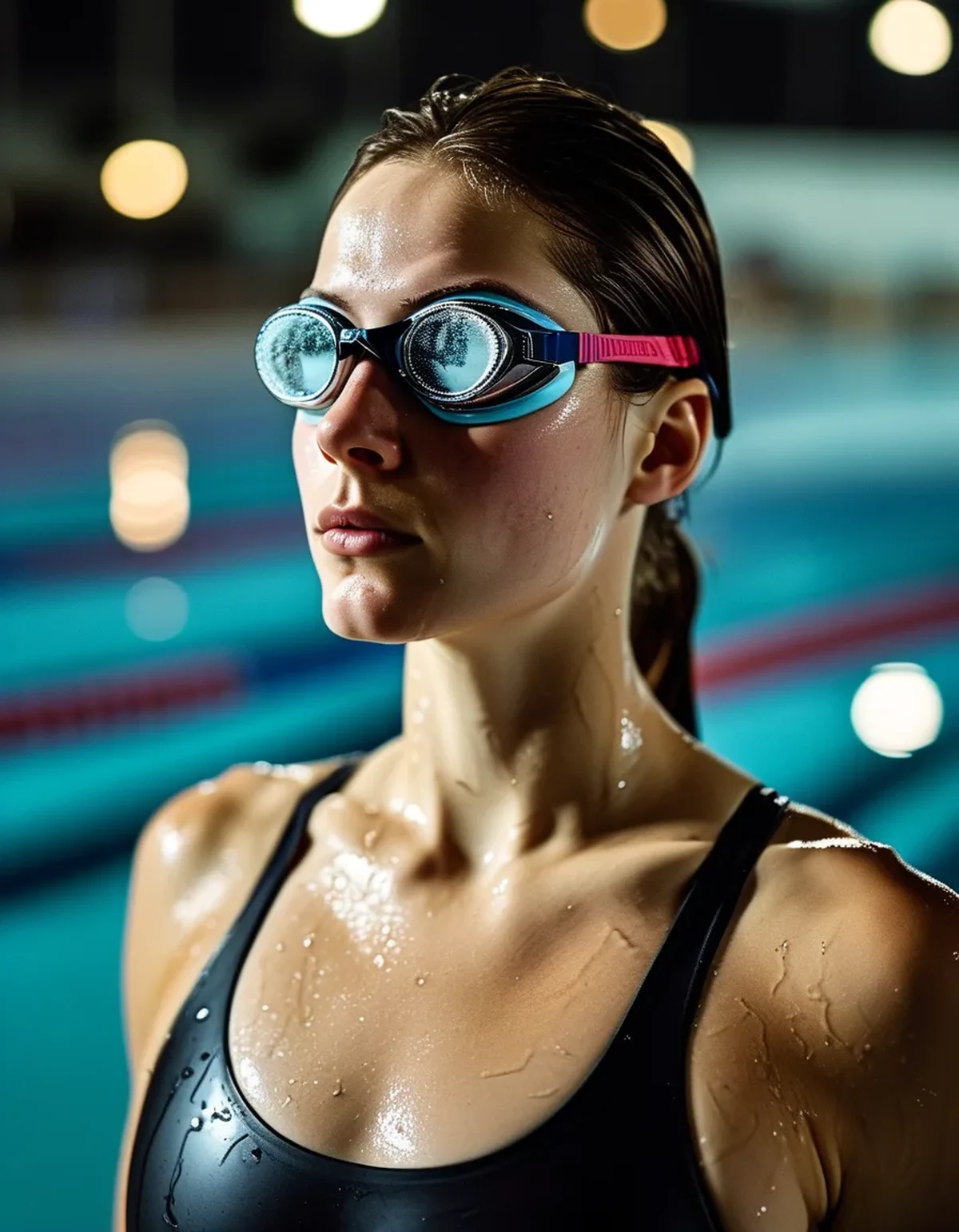
New or well-maintained anti-fog coating works fine for a period of time before it saturates — the coating absorbs moisture to prevent droplet formation, but that capacity isn’t infinite in a single session. As your face and the air trapped inside the goggle warm up from sustained effort, the coating reaches its moisture-absorbing limit and fogging appears rather suddenly.
This is also compounded by touching your goggles to adjust fit mid-swim — each touch transfers oil from your fingers onto the lens, degrading the coating faster than water exposure alone would.
Does goggle fit affect fogging speed?
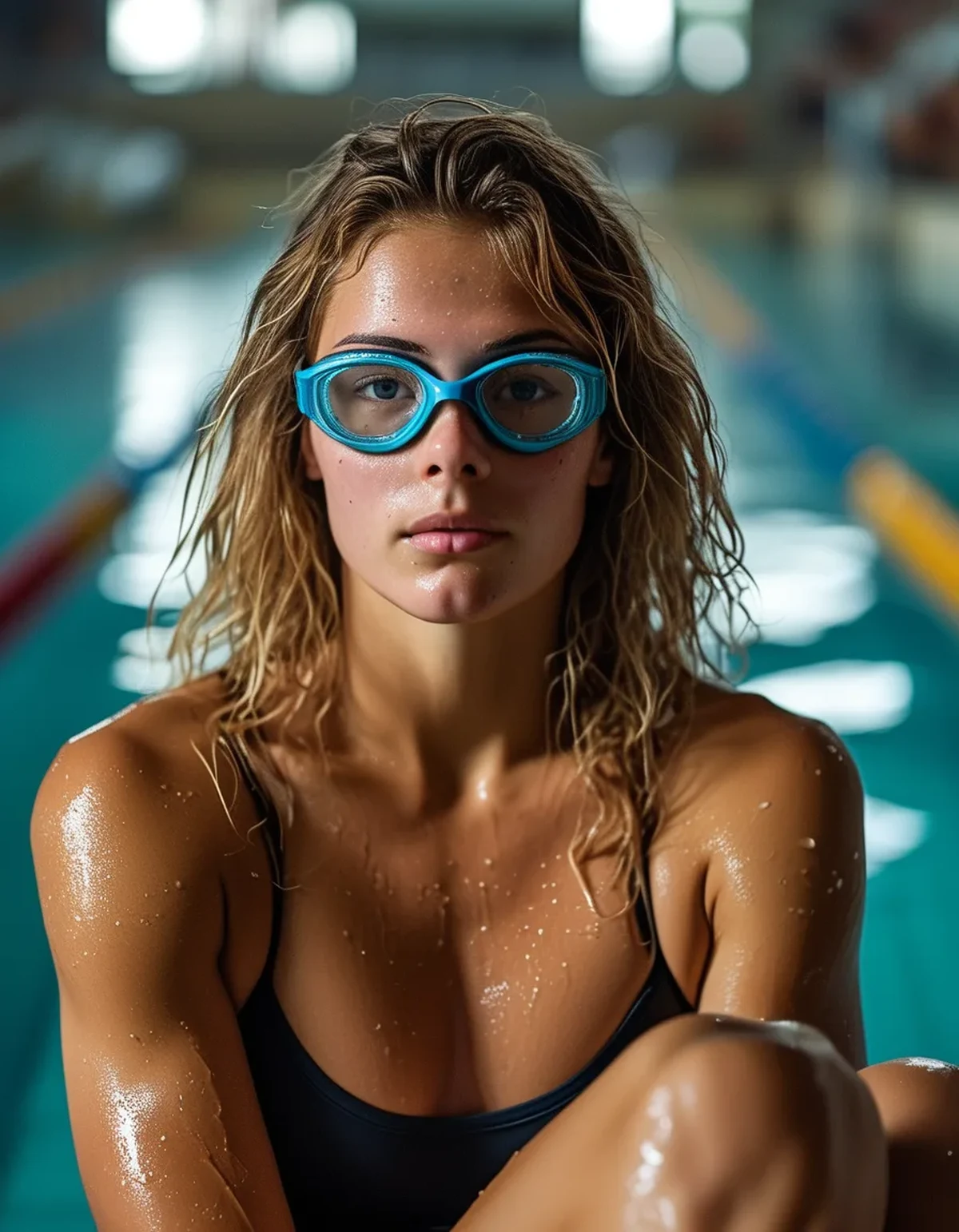
Yes, significantly. A loose seal lets warm, humid air pool inside the goggle faster than a snug fit, accelerating the point at which that trapped humidity condenses on the lens. A properly fitted goggle that seals without needing constant adjustment reduces both the touching-degrades-coating problem and the trapped-humidity problem at once.
Check fit by gently pressing goggles to your face without the strap — they should stay suctioned for a couple seconds if the seal is good.
Myth vs Fact: Goggle Fogging
Myth: Spitting in your goggles works as well as commercial anti-fog. Fact: Saliva provides very brief, weak fog resistance that wears off within minutes of swimming — noticeably shorter than a proper anti-fog product or coating.
Myth: Rinsing goggles in tap water after every swim keeps the coating intact longest. Fact: Rubbing the lens while rinsing or drying is one of the fastest ways to wear down anti-fog coating. Air-drying without touching the lens surface preserves it far longer.
Myth: All anti-fog goggles fog at the same rate. Fact: Coating quality and lens material vary significantly between goggle lines, and mid-range to premium options generally maintain anti-fog performance for meaningfully longer sets.
What actually extends anti-fog performance mid-swim?
Never touch the inside lens surface — not to wipe, not to adjust, not even to check for fog. Adjust goggles by the strap or outer frame only. Rinse with plain water only after swimming, never soap, which strips anti-fog coating fast, and let goggles air dry without wiping the lens.
For goggles with worn coating, anti-fog spray or gel reapplied before a swim restores performance for that session, though it’s a temporary patch rather than a permanent fix once the built-in coating is significantly degraded.
FAQ: Swim Goggle Fog Questions, Answered
How long should anti-fog coating last on a new pair of goggles?
With proper care (no touching the inside lens, rinsing with water only), most quality goggles maintain effective anti-fog performance for several months of regular swimming before needing a refresh product.
Is it worth buying anti-fog spray if my goggles already have a coating?
Yes, especially once you notice mid-set fogging starting — spray or gel anti-fog products supplement a degrading factory coating and are inexpensive relative to replacing goggles.
Does water temperature in the pool affect fogging speed?
Indirectly — warmer pools mean less temperature difference between your face and the water, which can actually reduce condensation slightly, while very cold pools increase the temperature gap and can worsen fogging.
TL;DR:
- Anti-fog coating has a moisture-absorbing limit that saturates partway through a sustained swim, not instantly
- Touching the inside lens to adjust or wipe goggles degrades the coating faster than water exposure alone
- A snug, well-fitted seal reduces trapped humidity and slows the fogging timeline
- Rinse with water only, avoid touching the lens, and use anti-fog spray once factory coating wears down
Protect the coating from touch and soap, and the mid-set fog wall shows up later — or not at all.
Keep Reading
This article is for general informational purposes only and is not medical advice. It is not a substitute for professional diagnosis or treatment. Always consult a qualified healthcare provider about your individual situation, especially before making significant changes to your diet or exercise routine.